

Graduate Interview, Terry Zeigler
Can you start seminary without a theology background?
After 30 years in law enforcement, Terry Zeigler returned to school for personal spiritual growth. His first week nearly stopped him. Here’s what helped him continue—and where his studies led.



Terry Zeigler, M.A. in Biblical Studies graduate · 15-minute interview
“I had no background in ministry, none in theology.”
Terry’s hesitation may sound familiar if you’re considering seminary after a career in another field.
He had already earned a master’s degree in public administration and had promised himself he was finished with school. In retirement, however, a desire to read Scripture more deeply led him to Redemption Seminary’s Master of Arts in Biblical Studies. In his graduate interview, he speaks candidly about the learning curve, the work, and the ministry he and his wife began planning.
“It is well worth the money and time. I would highly recommend it to anybody. Even for your own personal growth. It’s invaluable.”
Is seminary only for people already in ministry?
For Terry, the first reason to enroll was personal: he wanted to reconnect with God and spend more time in Scripture. He had spent three decades in law enforcement, including five years as a police chief. He began studying on his own before considering another degree. The idea of entering a graduate program without theological training made him nervous, and he weighed the decision for months.
His story illustrates a path into seminary that begins with a desire to grow, even when the next ministry role is not yet clear. Redemption’s admissions FAQ also says an undergraduate degree need not be in theology or the humanities for its graduate programs.
What if the first online course feels overwhelming?
Terry describes his first week in Spiritual Formation as rough. Along with new ideas and terminology, he had to learn the technology and the flow of an online course. He thought about dropping out. Encouragement from his wife helped him stay, and finishing that first course renewed his interest in learning.
As he continued, he felt comfortable asking his professor for help with both coursework and technology. He credits that ongoing relationship with helping him find his footing. Redemption’s M.A. program page describes its weekly meetings with a mentor-professor and the emphasis on applying course material to life and ministry.
How do you make time for online seminary?
Terry found a weekly rhythm around his weekly morning meetings and returned to his studies over the weekend. Knowing what he needed to prepare for each mentor meeting helped him stay on track.
He set a goal of finishing in two years and says he met it, even after taking eight weeks off one summer. That was Terry’s own pace. The current program overview outlines flexible pacing options; students can consider a schedule that fits their circumstances.
What do you actually learn in biblical studies?
Terry points to church history, biblical themes, theological ideas, and research skills. He expects to draw on those subjects when speaking with and serving others. Learning to use Logos Bible Software for research was another benefit he had not anticipated.
He also addresses a common question about academic depth: he was wary of an online degree at first, but found the reading and studying substantial. His description is personal and direct: “the work was no joke.” Hear his comments at 13:21.
Can a seminary project serve a real ministry idea?
As Terry approached graduation, he and his wife were developing a ministry for older adults in care facilities. Her counseling training and his theological studies informed their plans, while they also pursued chaplaincy training. Terry says the research required for his final project helped them clarify the need, shape the program, and bring its pieces together.
They had formed a nonprofit, and Terry described feeling prepared and confident as they began the work. His experience is one example of the M.A. capstone’s focus: a project connected to a student’s calling and ministry efforts.
“To somebody like me who had no theology at all, I would say you can do it.”
What would Terry tell someone considering seminary?
He does not minimize how daunting it felt to begin. His practical advice is to decide to commit and find a steady rhythm for the coursework. Looking back, he says the study, spiritual formation, and research resources were worth the time and cost for him—even if personal growth had remained his main goal.
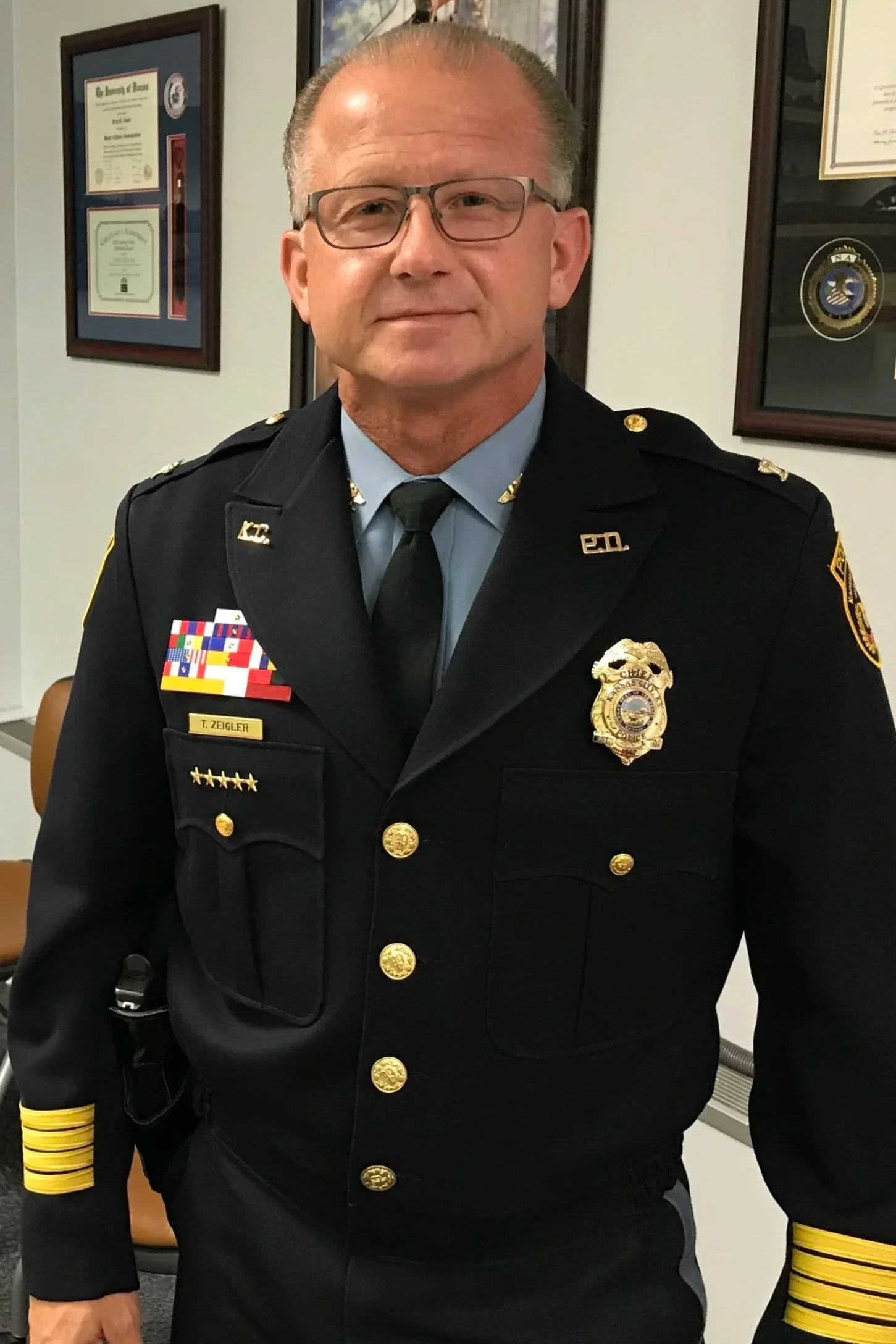
Congratulations to Terry Zeigler!
Congratulations to Terry Zeigler on completing his M.A. in Biblical Studies! His perseverance, dedication, and commitment to growing in his understanding of Scripture are an encouragement to the Redemption Seminary community. This milestone reflects his hard work and preparation for continued ministry and service.
Watch Terry’s full graduate interview. The sections below highlight key points from the interview.
-
Terry says that after retiring from a 30-year law-enforcement career, he wanted to go deeper into Scripture, reconnect with God, and discern what might come next. His initial motivation was primarily personal and spiritual growth, not preparation for a conventional pastoral position.
-
Terry discovered Redemption Seminary through Michael Heiser's material but hesitated for months because he had no background in ministry or theology. Starting a master's program in an unfamiliar subject felt “far out of reach” to him.
-
Terry describes his first week as difficult: he was learning the technology, course structure, terminology, and subject matter at the same time. He seriously considered quitting. Once he worked through that initial learning curve, however, the experience improved substantially, and his first Spiritual Formation course increased his desire to keep learning.
-
Terry says unfamiliar theological terminology initially made the program challenging, but working consistently with Professor Brueggemann helped. By his second course, he felt comfortable asking questions about both coursework and technology, and describes the professor as “super helpful.”
-
Terry says Redemption's structure worked well for him because it gave him deadlines and encouraged a routine. He developed a weekly rhythm around his Thursday meetings and studying on weekends. He found that having a predictable schedule kept him on track.
-
Terry set a personal goal of completing his program in two years and says he achieved it even though he took eight weeks off during one summer. The program can fit within a self-directed schedule.
-
Terry contrasts simply reading Scripture with having the ability to discuss church history, theology, biblical motifs and themes, and research methods. He sees those skills as directly applicable to the teaching and ministry work he plans to do.
-
Terry says the program gave him a “wellspring of information” from his courses. He specifically anticipates drawing on biblical themes and church history when giving talks, teaching, and potentially leading services.
-
Terry's final project was directly connected to the ministry he and his wife were creating. He says the required research helped him determine what the program would look like, why it was needed, and how the pieces fit together.
-
Terry says the final project “pulled everything together” for their new ministry and that he and his wife felt very prepared and confident as they began it.
-
Terry directly addresses someone with no theological background: the program can initially seem daunting or overwhelming, but his advice is to commit and establish a consistent rhythm for completing the coursework.
-
Terry says he was initially skeptical of an online degree, but found that “the work was no joke.” He emphasizes substantial reading and studying and says he learned a great deal through each course.
-
Terry tells prospective students not to get hung up on the fact that the program is online or requires time out of their day. He describes the resulting spiritual formation and personal spiritual growth as invaluable.
Explore your next step
Whether you’re discerning a ministry direction or simply want to study Scripture more deeply, Redemption can help you understand the options available to you.
Considering your first course?
Explore the Master of Arts in Biblical Studies and answers to common admissions questions. Terry’s story is one graduate’s experience; the program pages explain current requirements and options.