

Graduate Interview, Adam Driggers
From Independent Bible Study to Deeper Theological Training
Adam Driggers was already a serious student of Scripture before enrolling at Redemption Seminary.
He had grown up in the church, but beginning in 2017 his personal Bible study became increasingly intensive. Daily devotions grew into hours of reading and study. At the same time, Adam and his wife were running two businesses and serving actively in their church.
An executive pastor eventually pointed out something important: Adam was already investing substantial time in biblical study. Formal theological education could give that work greater structure, direction, and academic depth.
That suggestion eventually led Adam to Redemption Seminary.
“It was really just plugging in the coursework from Redemption in place of what I was studying on my own.”
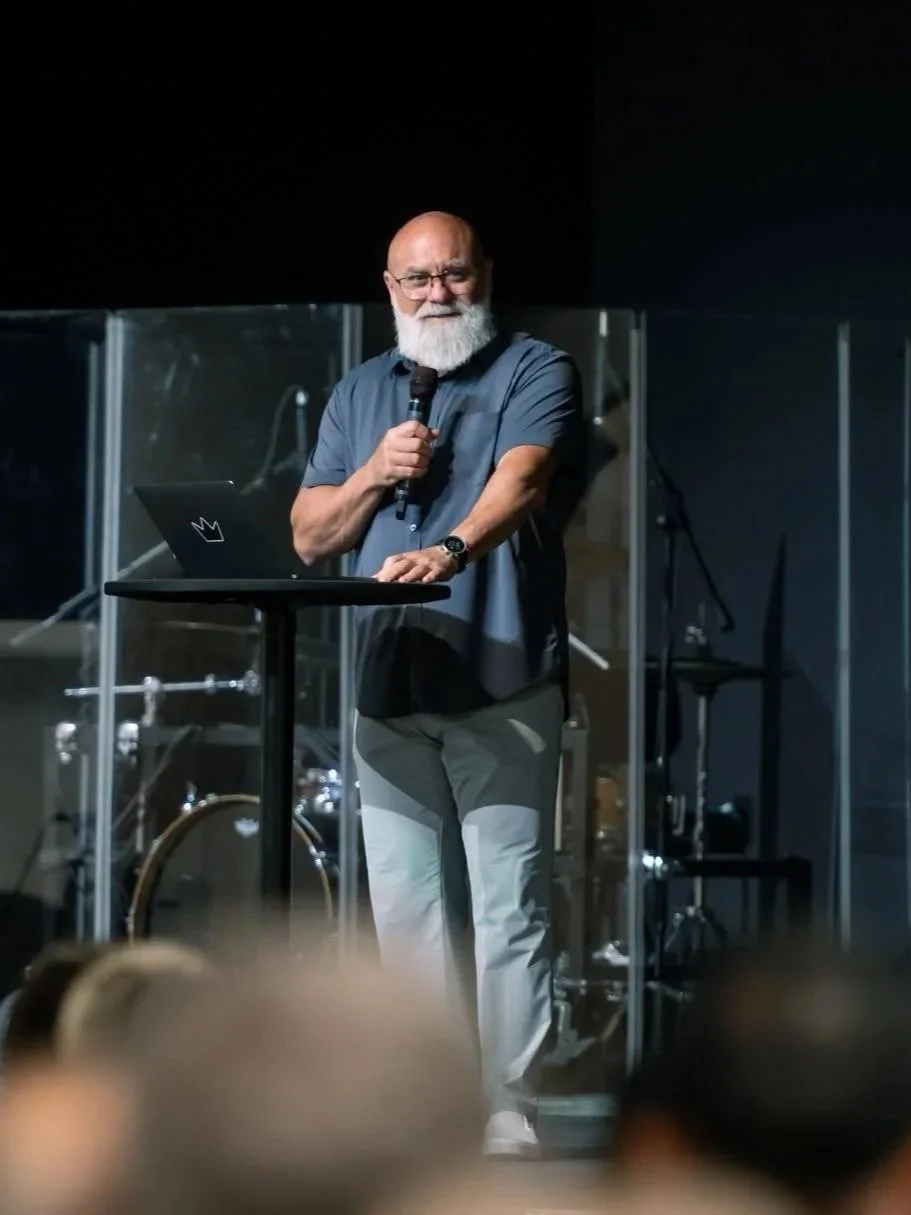
Congratulations to Adam Driggers!
Adam graduated from Redemption Seminary with a Master of Arts in Biblical Studies as part of the 2025 graduating class. In addition to owning a business, Adam serves as a board member of the AWKNG School of Theology (ASOT), a teaching pastor, an author, and the owner of a theology website (Beneath the Surface). See all of the details.
-
Adam explains how years of increasingly serious Bible study led an executive pastor to encourage him toward formal theological education.
-
Adam describes redirecting time he was already spending in Bible study toward structured coursework.
-
Adam discusses one of his original concerns about seminary and how the experience compared with choosing his own study topics.
-
Adam explains how his final writing course and mentor conversations improved his ability to organize and present what he had learned.
-
Adam describes developing a discipleship project connected to the needs of his congregation.
-
He explains why he initially completed 50–70% of his coursework before beginning mentor meetings and how his pace changed over time.
-
Adam encourages students to take the commitment seriously and explains how existing Bible-study time can be redirected into formal study.
-
Adam describes his increased ability to engage academic scholarship and a broader range of study resources.
Why pursue seminary when you are already studying the Bible?
Adam did not enroll because he needed someone to persuade him to read Scripture.
He was already spending significant time studying on his own. What seminary offered was a structured course of study, guidance from experienced faculty, and the opportunity to broaden the range and depth of material he was engaging with.
Adam admits that one of his concerns was whether prescribed coursework would be as interesting as choosing his own subjects. For most of the program, that concern proved unfounded.
Instead, formal study exposed him to subjects, scholars, and resources he might not have chosen on his own.
Can seminary fit into an already busy life?
Adam and his wife own two businesses and serve in their church, so adding graduate education required intentionality.
But Adam had already established a regular study habit.
Rather than adding an entirely separate academic life to his existing commitments, he redirected much of the time he had already been devoting to independent Bible study toward his Redemption coursework.
His advice to prospective students reflects that experience:
“You don’t have to add extra hours on top of your life if you already spend time studying or in devotions—just redirect that focus toward the program.”
For students who are already serious about learning Scripture, seminary can provide structure and accountability to time they are already investing.
How did Adam prepare for mentor meetings?
Early in the program, Adam preferred to complete a substantial portion of the course material before beginning his mentoring term.
“I didn’t schedule mentor meetings until I was 50% to 70% done, then worked through the last modules while mentoring.”
That rhythm allowed him to simply review his previous work before each mentor session while continuing to work through later course material throughout the mentoring term.
As Adam became more comfortable with the program, he adjusted his pace and eventually worked through multiple courses concurrently.
The flexibility allowed him to discover what worked with the rest of his life rather than following a single prescribed pace.
Did the mentoring conversations improve his ability to communicate?
One of Adam’s favorite courses turned out to be the final writing course.
Working with Dr. Raymond, Adam was able to take what he was learning and present it during mentor meetings almost like a short message.
“He allowed me to consume the information and present it in our mentoring sessions almost like a mini-message.”
That process helped Adam move beyond simply understanding information. He had to organize it, explain it clearly, and communicate it to another person.
Looking back, Adam says:
“That class really helped me hone that skill into presenting far better than I was prior to that class.”
This illustrates an important part of Redemption’s mentoring model: students prepare independently, but then they are asked to articulate, discuss, and apply what they have learned in conversation with a mentor-professor.
How did Adam apply his studies to his church?
Adam’s final project addressed a real ministry need.
His church had functioned as a mobile congregation for about ten years and had limited space for traditional Sunday school and discipleship programs.
Adam developed a project focused on creating a stronger discipleship ministry for the church.
His work centered on explaining why robust discipleship, faithfulness, and obedience matter and how a congregation could develop a more intentional approach.
Rather than completing an abstract academic exercise, Adam used his coursework to think through an actual ministry challenge in the church where he already served.
How quickly did he complete the program?
Adam completed the degree in just over two years, including a period when circumstances outside his control required him to step away temporarily.
Once he returned, he completed the remaining work in approximately eighteen months.
But speed was not his primary concern.
“That was a good pace to reflect on and process the material rather than just rushing through it.”
His experience illustrates one of the advantages of Redemption’s model: students can move at a pace that accommodates their responsibilities while still allowing time for reflection and meaningful engagement with the material.
Where did Adam experience the greatest academic growth?
Adam says one of the most significant changes was the level of material he became comfortable reading.
“I’m now engaging at a much deeper level with scholars and academic material.”
His studies introduced him to a wider range of academic resources and perspectives than he had previously encountered in independent study.
For Adam, the result was not simply more information. It was an expanded ability to engage serious biblical and theological scholarship for himself.
What advice does Adam give prospective students?
Adam doesn’t downplay the commitment required. Although students design their own study schedules, they still must prioritize study time to ensure they actually do it. Some do this by considering it part of their regular devotional time.
His advice is straightforward:
“Take it seriously, and push forward.”
Redemption’s flexible model still requires discipline and sustained effort.
But Adam’s experience demonstrates that students who are already committed to serious biblical study may be able to redirect that existing habit into a structured graduate program.
For him, the result was deeper engagement with scholarship, stronger communication skills, greater structure in his study, and practical application in the church where he serves.
Congratulations to Adam Driggers
Congratulations to Adam Driggers on completing the Master of Arts in Biblical Studies.
Adam entered Redemption as an experienced Bible student already serving faithfully in his church. Through the program, he expanded the depth of his academic reading, developed his ability to communicate what he was learning, and applied his studies to practical discipleship needs in his congregation.
His experience is a helpful example of how structured theological education can build on an existing habit of serious Bible study and prepare students to serve more effectively where the Lord has already placed them.
Check Out Some of Adam’s Current and Recent Ministry Contributions
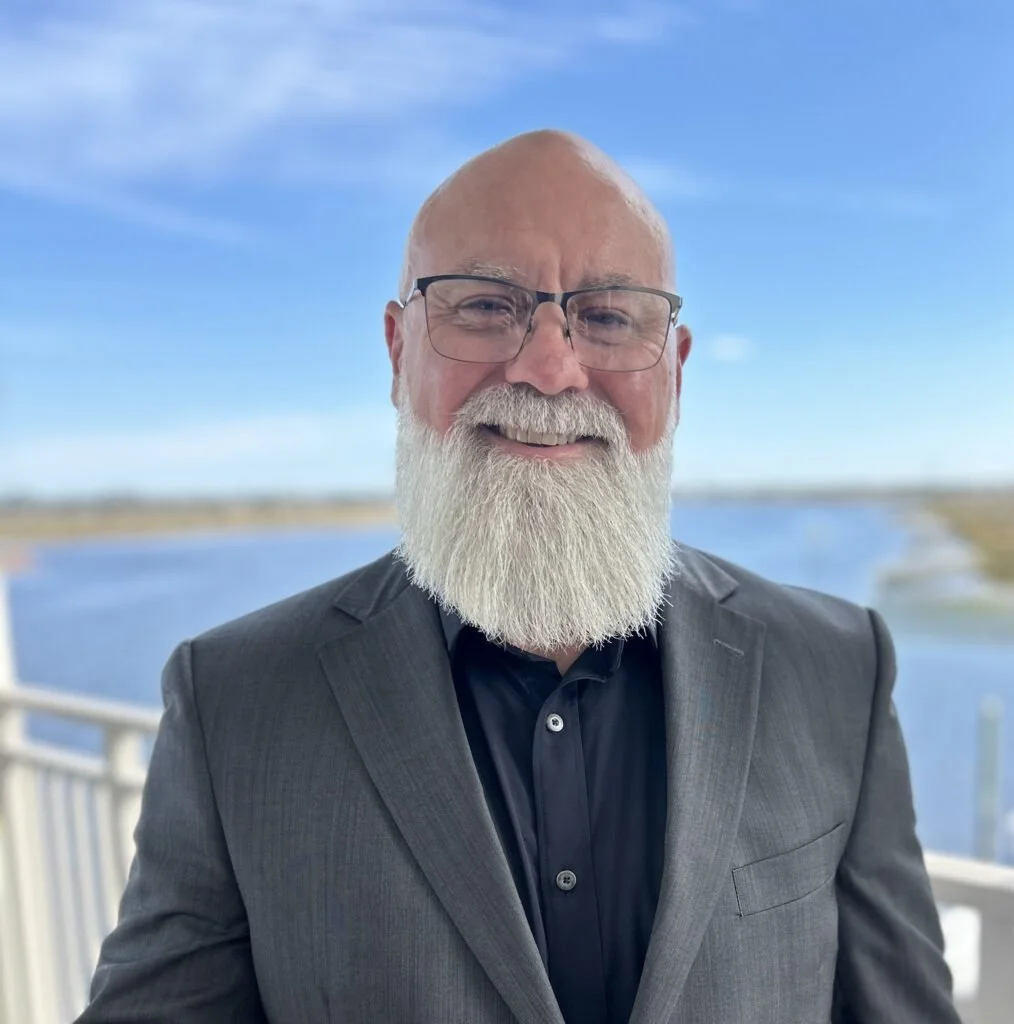
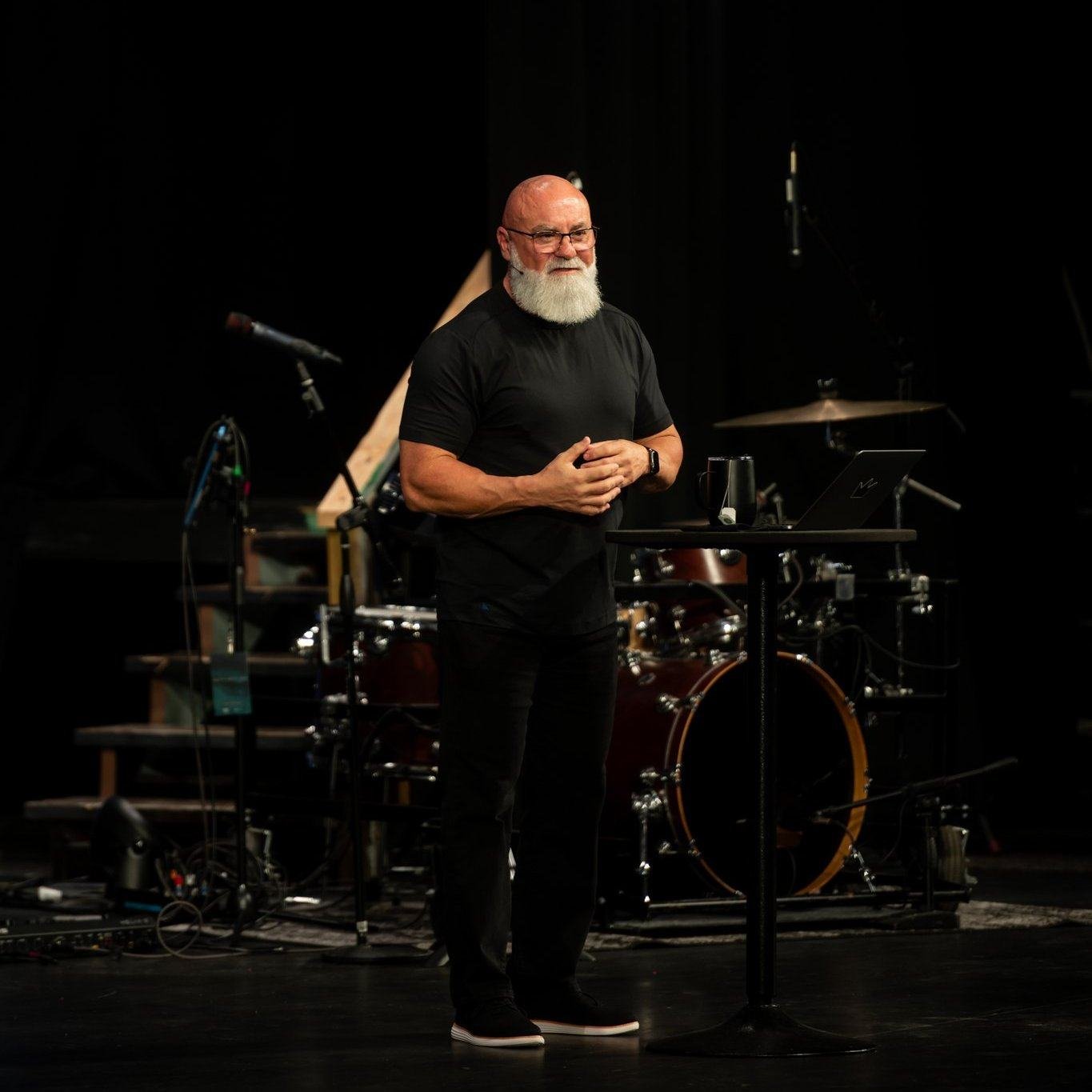
Biblical Teaching · Writing · Study
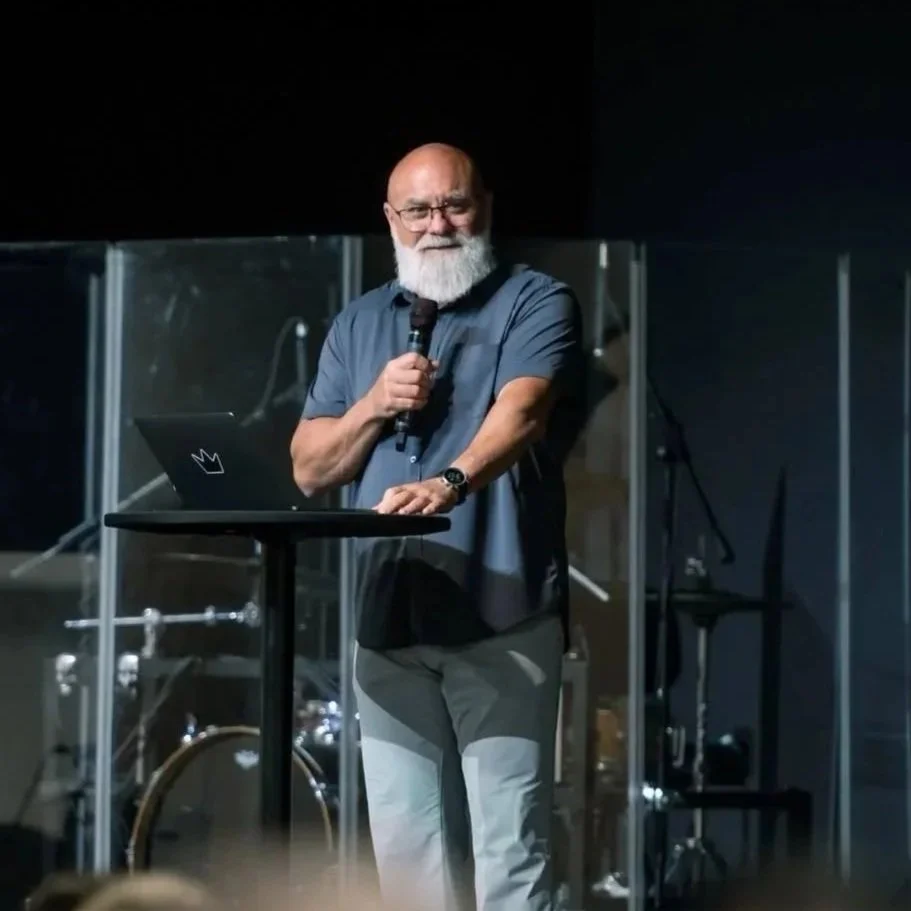
Teaching Pastor
“I really enjoyed it and am glad that I heard about it through the AWKNG School of Theology. ”
The Story Behind the Story
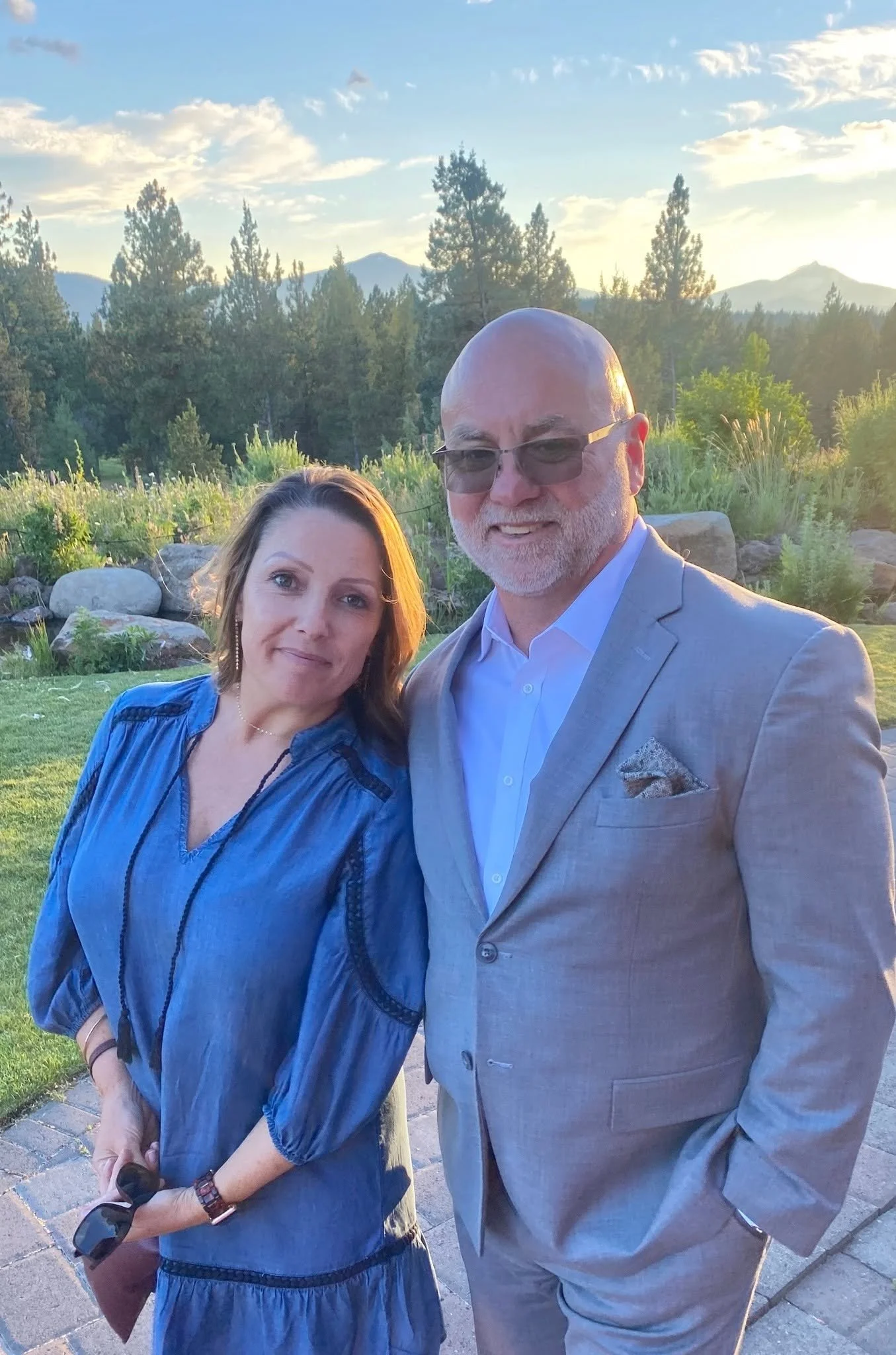
Adam has been rooted in the life of the church since childhood and has faithfully served the local body throughout his adult life. Since marrying in 1994, he has invested in the church through a wide range of ministries—ushering, greeting, teaching Sunday School, and leading numerous small-group classes. His most formative season of service was in youth ministry, where he and his wife discipled students, including the young man who would later become their current pastor.
After he completed college, returned home, and eventually planted a church, Adam and his wife joined the new congregation to support the work. Adam now serves as a board member and elder, teaches and preaches several times each year, and maintains regular communication with the pastoral staff to encourage, support, and assist them as needs arise. He and his wife remain active in small groups, and Adam also provides leadership by helping guide a weekly men’s Bible study. Through steady, relational, and humble service, Adam continues to advance the kingdom in meaningful and lasting ways.
Explore your next step
Whether you’re discerning a ministry direction or simply want to study Scripture more deeply, Redemption can help you understand the options available to you.
Considering your first course?
Explore the Master of Arts in Biblical Studies and answers to common admissions questions. Hanna’s story is one graduate’s experience; the program pages explain current requirements and options.